
How EMDR Works in the Brain: A Science-Based Look at Trauma Healing
How Does EMDR Therapy Work? A Tampa EMDR Therapist Explains
Many people hear about EMDR therapy through a friend, social media post, or therapist recommendation. But one of the most common questions we get at Tampa EMDR is: How does EMDR actually work in the brain?
This blog breaks that down — simply, clearly, and from a trauma-informed lens — so you can understand what’s happening in your nervous system when you engage in this powerful therapy.

EMDR session in Tampa for PTSD and trauma
How EMDR Works in the Brain
Your brain is designed to process and store memories efficiently. But when a traumatic event overwhelms your nervous system, it can get “stuck” in a survival loop: fight, flight, freeze, or fawn.
These stuck memories don’t get stored properly — they remain fragmented, emotionally intense, and often show up as flashbacks, anxiety, avoidance, or physical symptoms.
EMDR therapy uses bilateral stimulation (typically eye movements, tapping, or tones) to help the brain reprocess these stuck memories. This allows the nervous system to “digest” the trauma and move the experience from survival brain (limbic system) into thinking brain (prefrontal cortex).
That’s how EMDR works in the brain — it helps complete the processing that got interrupted by the trauma.
Why EMDR Works: Brain-Based Memory Integration
EMDR works by using bilateral stimulation to tax working memory while a person briefly holds a distressing memory in mind. When working memory is occupied, the memory becomes harder to maintain in its original vivid, emotionally charged form. Over repeated sets, the brain reconsolidates that memory in a less intense way. The event is not erased, but it becomes less vivid, less reactive, and easier to think about without your body going into alarm
It’s not magic — it’s brain science.
What makes EMDR so powerful is its ability to target the root of the emotional pain, not just the surface symptoms.
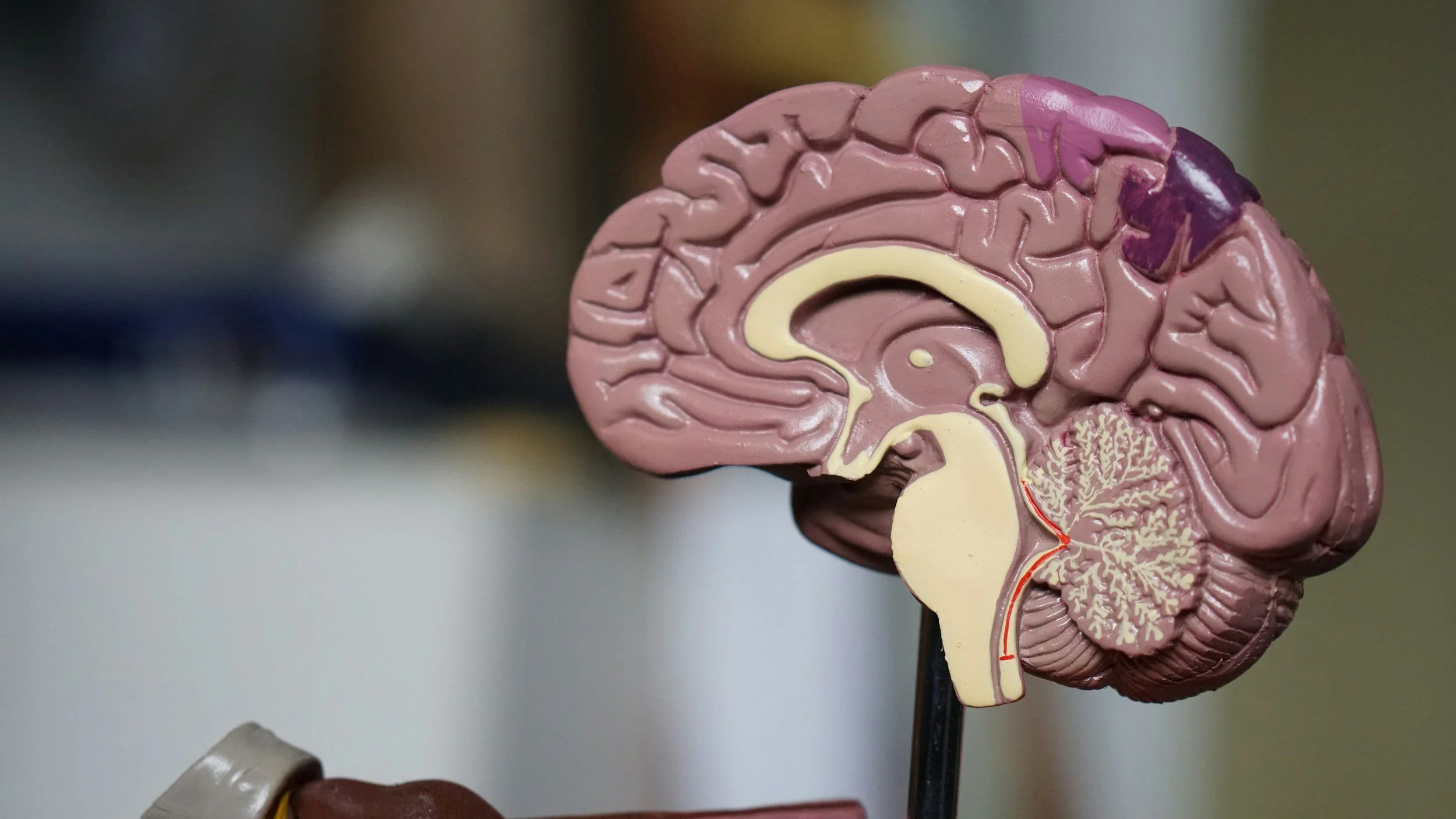
EMDR therapy brain scan Tampa trauma healing
Why We Integrate Parts Work and Attachment Healing
At Tampa EMDR, we don’t just offer EMDR therapy. We blend it with parts work and attachment-focused therapy because many of the people we help — especially professionals, caregivers, and high-functioning adults — aren’t dealing with just one traumatic event.
They’ve internalized beliefs like:
“It’s my fault.”
“I’m too much.”
“I’m not safe with people.”
These aren’t just thoughts. They’re embedded in younger parts of the self that never got the care, protection, or understanding they needed. That’s why we use DNMS therapy and attachment-informed interventions — to meet those parts with compassion while using EMDR to help shift the brain’s response.
This integration leads to lasting change, not just symptom management.

How EMDR works in the brain – Tampa EMDR consultant
Common Questions We Hear About EMDR and the Brain
How EMDR works in the brain
Why EMDR works for trauma
Is EMDR like hypnosis?
Can EMDR help with anxiety or OCD?
Will EMDR work for me if I don’t have flashbacks?
The short answer? Yes — when done by a trained, EMDRIA-approved therapist who knows how to tailor the process to your unique history and nervous system, EMDR can work with all types of trauma, including developmental and attachment trauma.
Helpful blog post: Why EMDR therapy is the next step:
https://www.tampaemdr.com/blog/why-emdr-is-the-next-step-when-talk-therapy-isnt-enough
Other helpful articles about EMDR therapy:
https://www.ncbi.nlm.nih.gov/pmc/articles/PMC3951033/ – Scientific review of EMDR therapy and the brain
https://www.apa.org/ptsd-guideline/treatments/emdr – APA guidelines on EMDR for PTSD
Tampa EMDR therapy expert Leslie De Graaf, LMHC – QS, helps adults heal from trauma, anxiety, and attachment wounds through EMDR therapy and EMDR intensives. She offers trauma-focused EMDR services for busy professionals in Tampa, Florida.