
The Neurobiology of Trauma
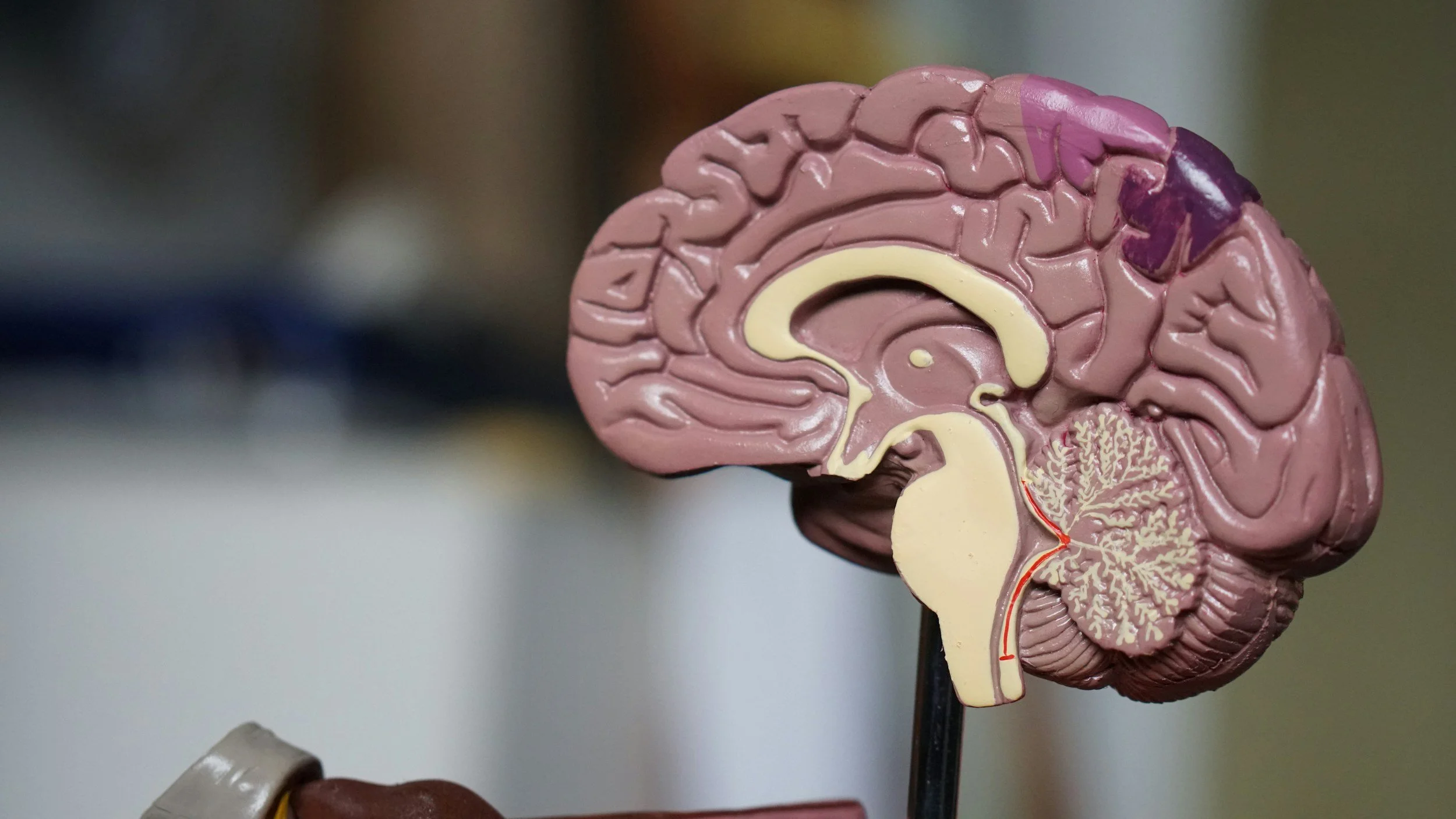
Effective trauma recovery moves beyond traditional talk therapy by addressing the physiological impact of distress on the brain. Research in neuroplasticity and nervous system regulation suggests that healing occurs when the brain is given the proper bilateral or sensory input to reprocess stored information.

Adaptive Information Processing (AIP)
The Adaptive Information Processing (AIP) model is the theoretical foundation of EMDR therapy. This framework posits that the brain is naturally geared toward mental health, but traumatic experiences can overwhelm the system, causing memories to be stored in a "frozen," unprocessed state. EMDR facilitates the transition of these memories from high-distress storage to peaceful, adaptive integration.
Polyvagal Theory & System Regulation
Developed by Dr. Stephen Porges, Polyvagal Theory provides a map of how the autonomic nervous system responds to perceived danger. By understanding the "ventral vagal" state of safety versus the "sympathetic" state of fight-or-flight, clinicians can use sensory interventions—such as the Safe and Sound Protocol (SSP)—to retrain the nervous system to remain grounded and regulated.

Evidence-Based Consultation & Standards
To maintain the highest clinical standards, practitioners engage in ongoing consultation and research review. This ensures that trauma-informed care remains aligned with the latest protocols established by EMDRIA and other leading mental health organizations. This commitment to clinical excellence ensures that the "science of healing" is applied with precision, safety, and academic rigor.
Research & Clinical Resources
For a deeper dive into peer-reviewed studies and clinical data regarding these modalities, we recommend the following professional organizations:
EMDRIA: The International Association for EMDR Research.
The Polyvagal Institute: Research on the Autonomic Nervous System.
National Institute of Mental Health (NIMH): Clinical Evidence for Trauma Interventions.